
General
Smart Automation in 2026
Why Businesses Need AI Connected to Real Operations
Smart Automation in 2026: Why Businesses Need AI Connected to Real Operations
Artificial intelligence is becoming one of the most important technologies for modern businesses. But in 2026, the real value of AI will not come only from chatbots, prompts, or simple digital assistants. The biggest impact will come when AI is connected directly to real business operations, automation systems, infrastructure, and decision-making workflows.
For commercial buildings, industrial facilities, warehouses, gated communities, hospitals, data centers, and smart campuses in Hyderabad, Telangana, and across India, automation is no longer just about convenience. It is about speed, safety, efficiency, control, and long-term operational performance.
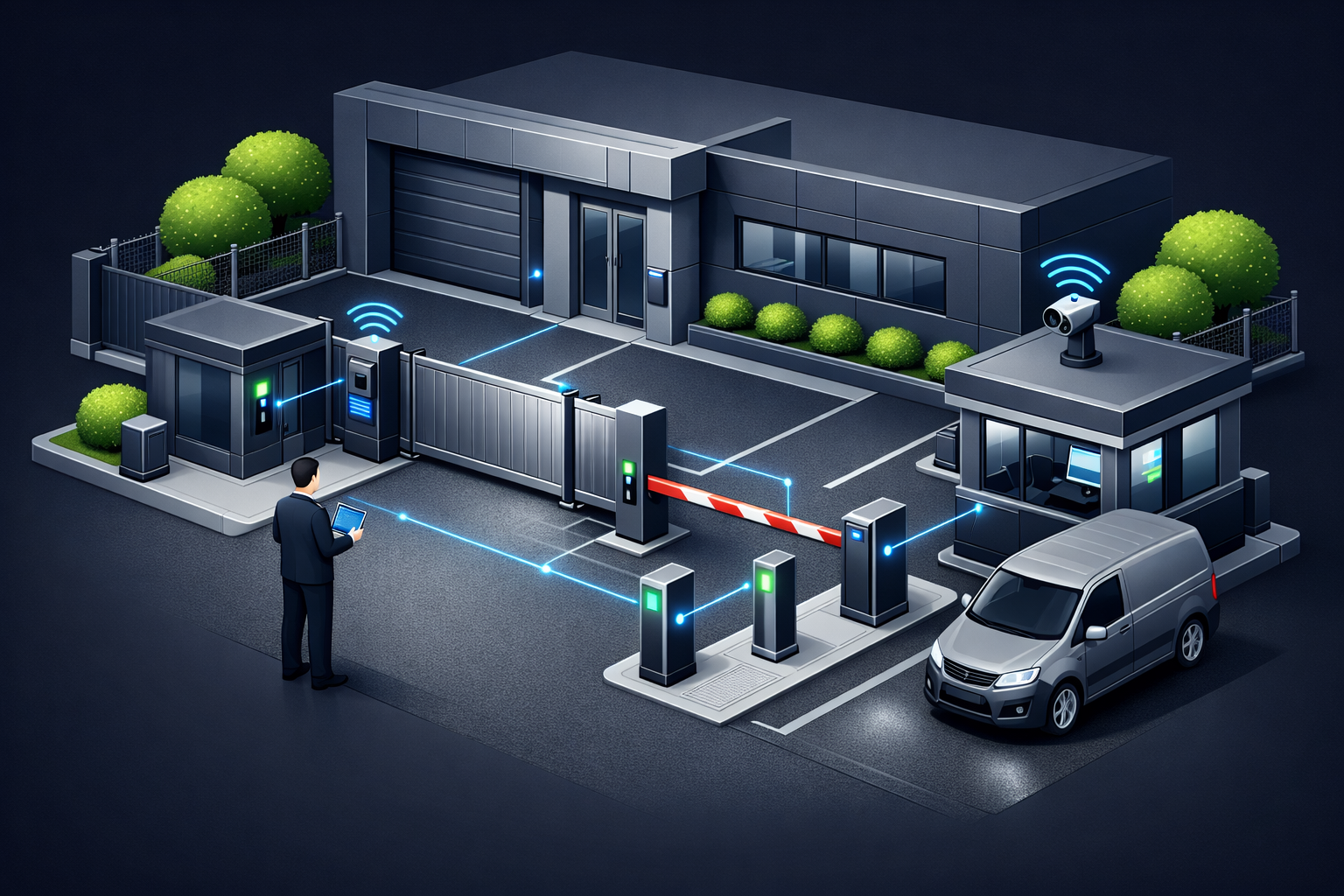
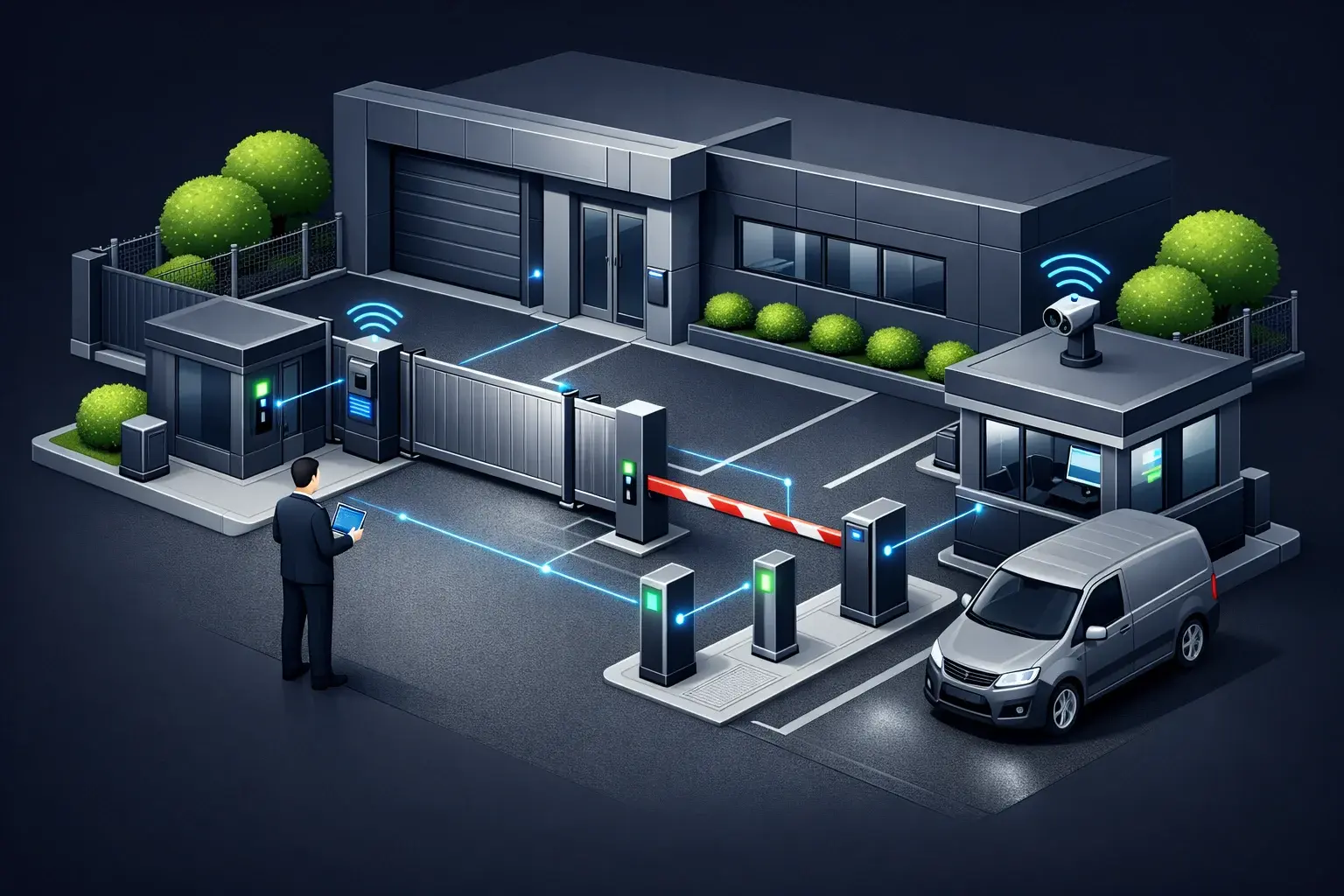
AI becomes more valuable when it is connected to real infrastructure, workflows, and operational systems.
AI Alone Is Not Enough for Business Growth
Many businesses are adopting AI tools to improve productivity. These tools can generate reports, answer questions, summarize information, and automate simple tasks. But real business operations are more complex than a single answer or recommendation.
A warehouse manager does not only need to know that a gate is open or a vehicle has arrived. They need the system to connect access control, vehicle movement, security permissions, delivery schedules, parking flow, safety alerts, and operational approvals. This is where AI becomes powerful: when it understands the full context of the business environment.
The future of AI in business is not only about giving answers. It is about helping systems execute the right actions with control, safety, and accountability.
Why Operational Context Matters in Automation
Automation systems are most effective when they work with proper business logic. An automatic gate, boom barrier, access control system, parking system, or industrial door should not work in isolation. It should understand who is entering, why they are entering, what time they are entering, whether they have approval, and what action should happen next.
This operational context helps businesses reduce manual work, improve security, avoid delays, and create a smoother experience for employees, visitors, vendors, and customers.
Examples of operational context in smart automation
Access control linked with employee and visitor permissions
Boom barriers connected with vehicle authorization and parking systems
Automatic gates integrated with security monitoring and entry logs
Industrial doors connected with warehouse movement and safety workflows
Fire safety systems connected with emergency access and evacuation logic
Facility systems connected with maintenance alerts and service history

Smart automation connects access control, security, vehicle movement, and operational approvals.
From Simple Automation to Intelligent Execution
Traditional automation helps complete repeated actions. For example, a gate opens when a remote is pressed, a boom barrier lifts after card access, or a door closes after a sensor detects movement. These systems save time and improve convenience.
Intelligent automation goes one step further. It combines sensors, software, control systems, data, and AI-based decision support to improve how operations are managed. Instead of only reacting, the system can help predict issues, recommend actions, trigger alerts, and coordinate workflows.
Intelligent automation can help businesses
Reduce manual security checks
Improve entry and exit management
Detect unusual access activity
Reduce traffic congestion at gates and parking areas
Improve facility maintenance planning
Support faster decision-making during emergencies
Create better visibility across multiple sites
Human Control Still Matters
Smart automation does not mean removing people from decision-making. In critical business environments, human control, approvals, and accountability are still essential. AI and automation should support teams, not replace responsibility.
The right approach is to let people define rules, priorities, permissions, and safety requirements while intelligent systems handle repetitive execution, monitoring, alerts, and coordination. This balance helps businesses operate faster without losing control.
The best automation systems keep people in control while reducing delays, manual effort, and operational confusion.
Where Businesses Can Use AI-Connected Automation
AI-connected automation can support many types of modern infrastructure. It is especially useful for organizations that manage high traffic, multiple access points, valuable assets, or safety-sensitive operations.
Ideal use cases
Commercial buildings and IT parks
Industrial facilities and factories
Warehouses and logistics hubs
Hospitals and healthcare campuses
Gated communities and residential projects
Data centers and high-security facilities
Retail spaces and parking facilities
Educational institutions and smart campuses
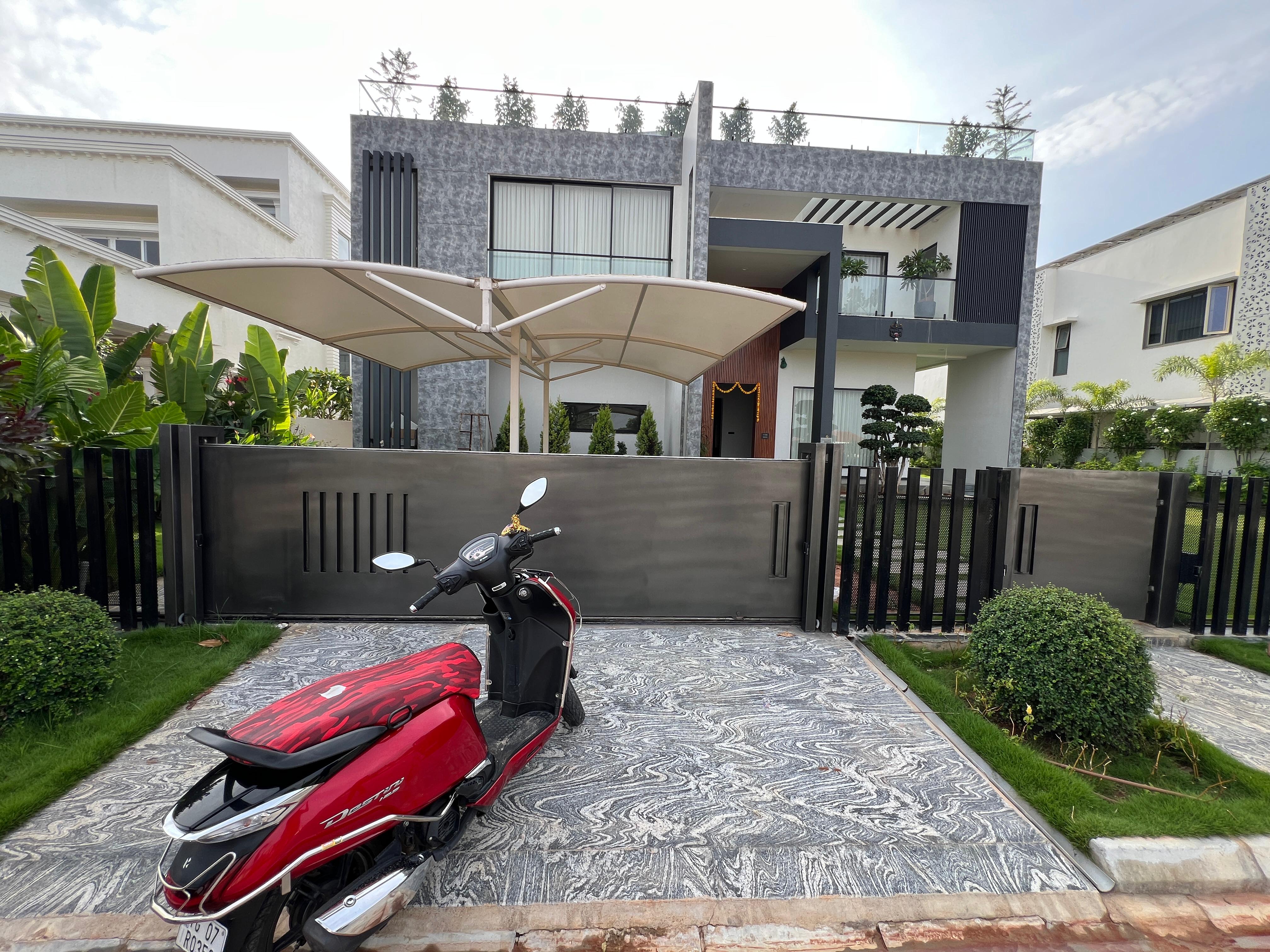
Integrated smart infrastructure helps organizations improve safety, speed, and operational visibility.
Why This Matters for Hyderabad and India’s Growing Infrastructure
Hyderabad is growing rapidly as a hub for technology parks, commercial real estate, logistics, industrial development, residential communities, and data-driven infrastructure. As projects become larger and more complex, manual processes are no longer enough.
Businesses need systems that can manage access, movement, safety, parking, visitor flow, maintenance, and security with better coordination. This creates strong demand for smart automation solutions in Hyderabad, Telangana, and across India.
High-impact automation systems for modern projects
Automatic sliding gates
Automatic swing gates
Boom barriers and traffic control systems
Access control and visitor management
Industrial doors and shutters
Parking automation systems
Safety sensors and detection systems
Integrated security and facility systems
Final Thoughts
The future of AI and automation is not only about smarter software. It is about connecting intelligence with real operations. Businesses that combine AI, automation, sensors, access systems, safety logic, and human accountability will be better prepared for the next generation of infrastructure.
For companies planning commercial, industrial, residential, or smart infrastructure projects, the right automation strategy can improve safety, reduce manual effort, increase efficiency, and create smoother day-to-day operations.
Looking for smart automation solutions in Hyderabad?
Dhomec provides entrance automation, access control, boom barriers, industrial doors, parking automation, and smart infrastructure solutions for commercial, industrial, and residential projects.
See Also
Recommended articles in General
Automatic Gate Installation in Hyderabad: A Complete Guide for Homes, Apartments, and Businesses
Automatic gates are no longer just a luxury feature. For modern homes, gated communities, offices, warehouses, and industrial properties, they have become an important part of security, convenience, and smart access control.
SpaceX IPO Filing Reveals Massive AI Data Center Expansion and Billion-Dollar Anthropic Deal
A newly revealed IPO filing from SpaceX has uncovered major details about Elon Musk’s expanding artificial intelligence infrastructure ambitions. The document highlights massive investments in AI compute facilities, cloud-scale GPU deployments, and future plans for orbital data centers powered by solar energy.